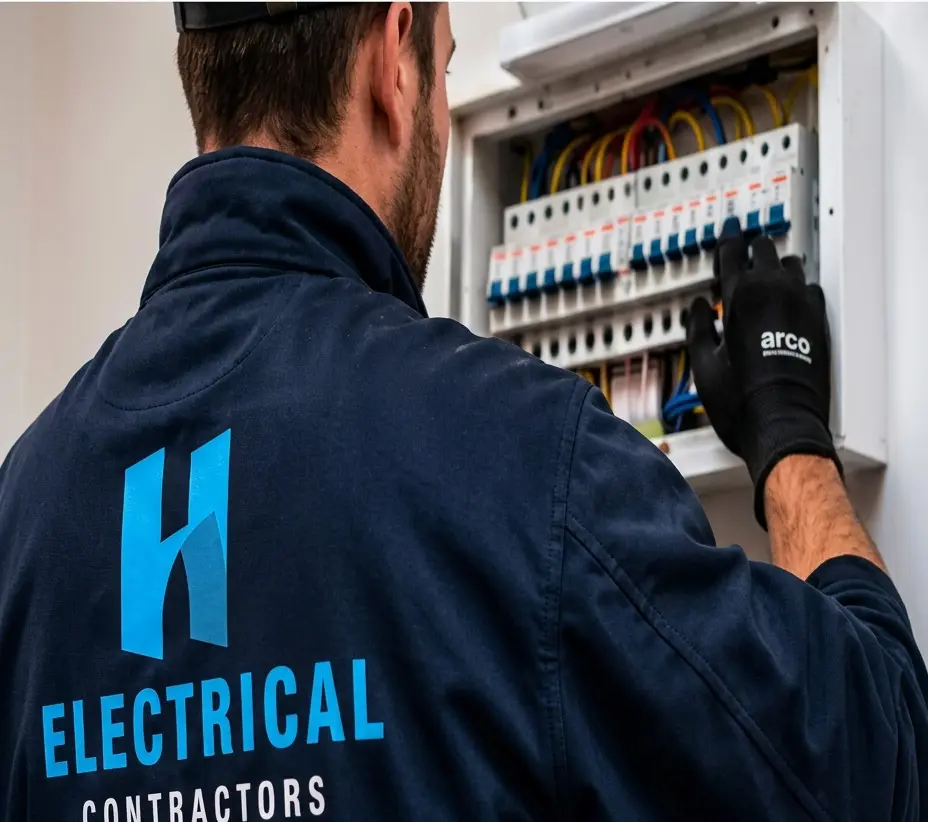

A periodic electrical inspection is the electrical equivalent of a full health check for your property. It tells you whether the wiring, fuse board and fittings are still safe to use, and what, if anything, needs fixing. If you are a landlord, buying an older home, or living in a house where the electrics have not been looked at in years, this guide explains what you need to know.
What is a periodic electrical inspection?
A periodic inspection is a full inspection and test of the fixed electrical installation in a property. That means everything wired into the building: the consumer unit (fuse board), the circuits, sockets, switches, light fittings, earthing and bonding. Plug in appliances are not part of it. Those are covered by PAT testing.
You will hear it called a few different names. A Periodic Inspection Report (PIR), an Electrical Installation Condition Report (EICR), or simply an electrical safety inspection. They all mean the same thing. In Ireland, the installation is checked against the national wiring rules, I.S. 10101, and the inspection should be carried out by a registered electrical contractor.
Is a periodic inspection a legal requirement in Ireland?
It depends on who you are.
- Homeowners: there is no law that forces you to have your home inspected on a fixed date. It is still strongly recommended, especially for older homes.
- Landlords: the rented housing standards require the electrical installation in a rented home to be kept in good repair and safe working order. A periodic inspection report is the clearest way to show you have checked it, and it protects you if anything goes wrong.
- Employers and businesses: workplace safety rules require electrical installations to be kept safe and to be inspected and tested by a competent person. Regular periodic inspections are how most businesses meet that duty.
How often should you get one?
There is no single answer, because it depends on the age of the installation and how the property is used. These are the intervals we recommend to our customers in Dublin:
- Owner occupied homes: around every ten years, and sooner if the wiring is over 25 years old.
- Rented homes and apartments: at every change of tenancy, or at least every five years.
- Shops, offices and salons: usually every three to five years.
- Any property: when you buy it, after a flood or fire, or after major alterations by someone else.
If the last report recommended a shorter interval, follow that. The inspector sets the next date based on what they found.
What happens during the inspection?
A typical house takes a few hours. Here is what we do:
- Visual inspection. We check the fuse board, accessories, visible cables, bathroom and outdoor circuits for damage, overheating, wear and poor workmanship.
- Earthing and bonding. We confirm the main earth and the bonding to water and gas pipes are present and in good condition.
- Testing each circuit. Using calibrated test equipment, we test continuity, insulation resistance, polarity and earth fault loop impedance.
- RCD tests. We test that each RCD trips fast enough to protect you from an electric shock.
- The report. Every observation is recorded and given a priority, so you can see straight away what is urgent and what can wait.
The power will be off for short periods while circuits are tested. We will tell you roughly when, so you can plan around it.
What problems do inspections usually find?
In the older homes we inspect around Ballyfermot, Crumlin, Drimnagh and Inchicore, these come up again and again:
- Old fuse boards with no RCD protection, or a single RCD covering the whole house
- Missing or loose earthing and bonding
- A mix of old and new cables, where circuits have been extended over the years
- Damaged or overheating sockets, often behind kitchen appliances
- Bathroom and outdoor circuits that do not meet the current rules
- Missing or out of date smoke alarms
What does a periodic inspection cost?
We do not publish a single price, because the cost depends on the property. The main factors are:
- The size of the property and the number of circuits
- How many fuse boards there are
- Access to the board, the attic and under the floors
- Whether PAT testing is being done at the same visit
- Whether you have several properties to inspect together
Tell us the property type and number of bedrooms and we will give you a fixed price before we book. Request a quote here.
What happens if the property fails?
A report is not really a pass or fail. It lists what needs attention and how urgent each item is. Anything dangerous is explained to you on the day, and we will make it safe if needed. The rest you can plan for.
Depending on what we find, the next step might be a few small repairs, a fuse board upgrade, or, for older wiring, a partial or full rewire. We will quote for any work separately, and you are never under any pressure to use us for the repairs.
Tips for landlords
- Book the inspection between tenancies, when the property is empty and easier to access
- Have appliances PAT tested at the same visit to save a call out
- Keep every report on file, along with the certificates for any repair work
- Set a reminder for the next inspection date on the report
- Fix anything marked as dangerous before the next tenant moves in
Book a periodic inspection in Dublin
H Electrical Contractors is a Safe Electric registered contractor based in Ballyfermot, Dublin 10. We carry out periodic inspections for homeowners, landlords and businesses across west and south west Dublin, including Ballyfermot, Clondalkin, Crumlin, Kilmainham, Tallaght and Lucan. See our periodic inspection service for full details, or call us for a price.
Common questions
Is a PIR the same as an EICR?
Yes. A Periodic Inspection Report (PIR) and an Electrical Installation Condition Report (EICR) are two names for the same inspection and report.
How long is a periodic inspection report valid for?
The report records the condition of the installation on the day and gives a recommended date for the next inspection. For homes this is often up to ten years, and for rented properties it is usually shorter.
Do I need to be home for the inspection?
Someone needs to give us access. Landlords often arrange for us to deal directly with the tenant.
Will the power be off all day?
No. The power is only off for short periods while each circuit is tested.